
Vacuum Casting
Production-Quality Parts Without the Cost of Hard Tooling
Low-volume manufacturing using precision silicone moulds to produce plastic and rubber-like parts with injection-mould-like quality — quickly and cost-effectively.
Request a Quote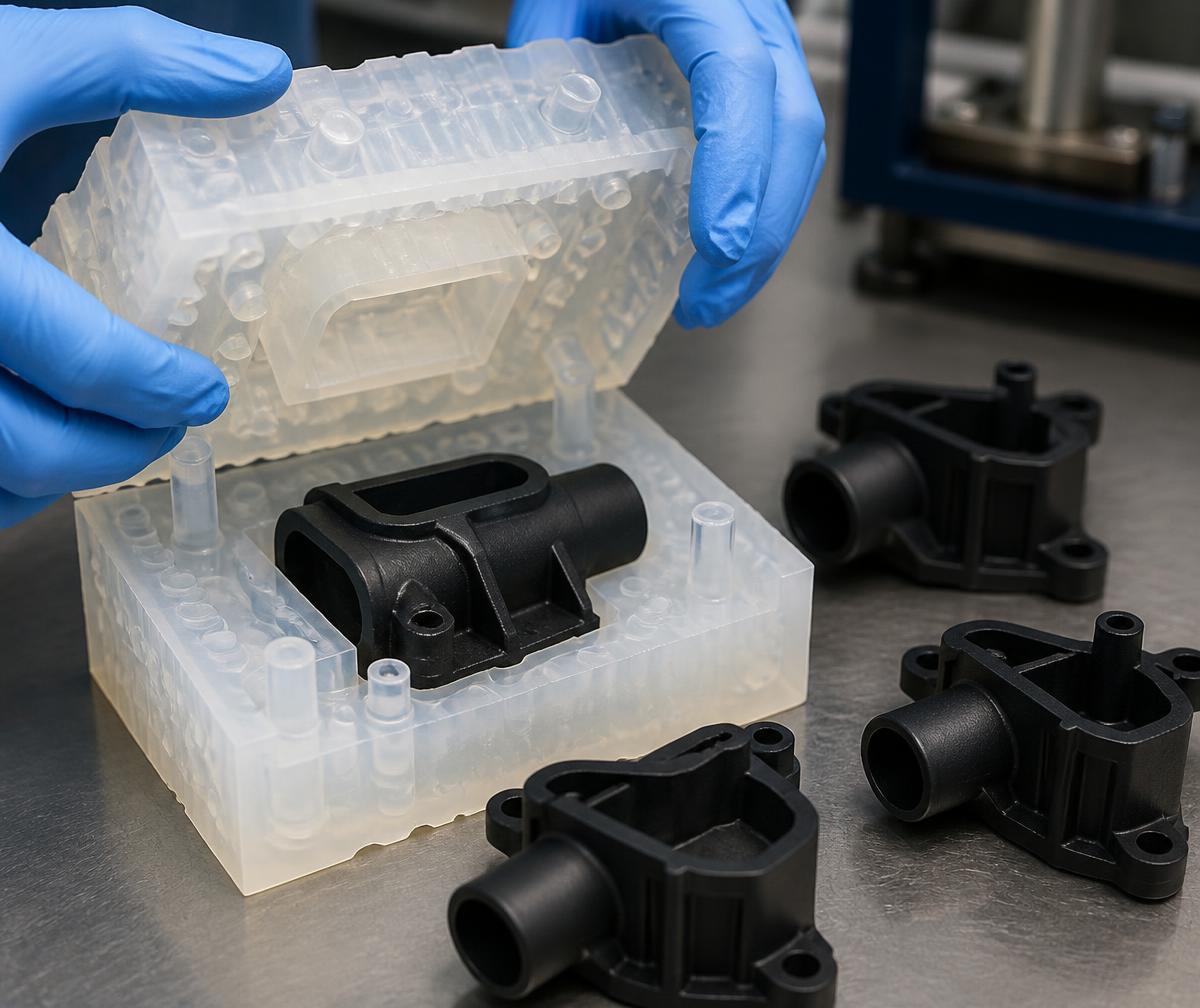
Low-Volume Manufacturing
From Prototype to Production-Ready Parts
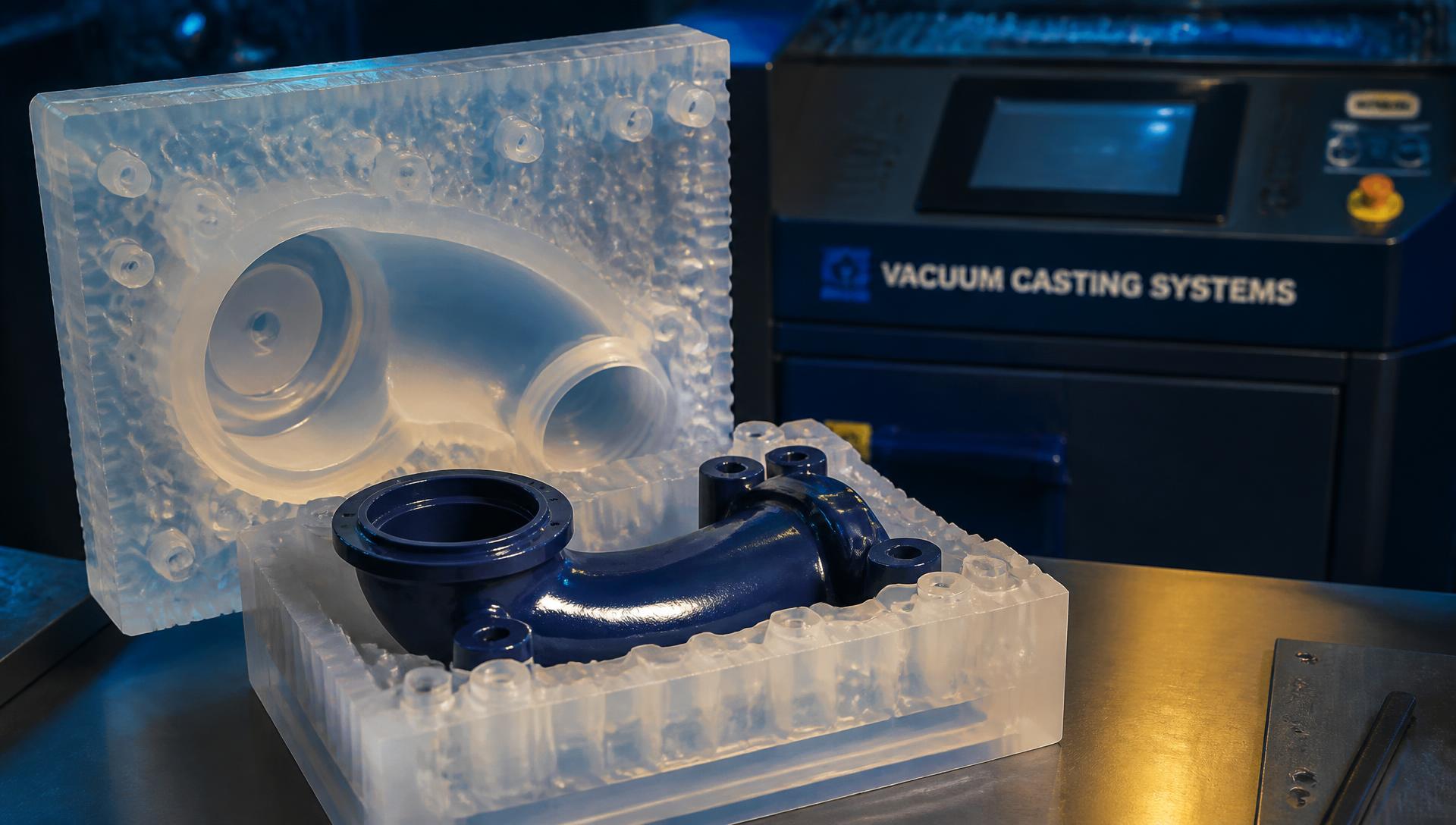
Vacuum casting is a low-volume manufacturing process that uses flexible silicone moulds to produce plastic and rubber-like parts with the look, feel and performance of injection-moulded products — without the cost of hard tooling.
A master pattern, typically produced through 3D printing or CNC machining, is used to create a precision silicone mould. Polyurethane resin is then poured into the mould under vacuum, helping eliminate trapped air and reproduce fine details accurately.
How Vacuum Casting Works
- 01
Master Pattern
Create a high-quality master pattern using 3D printing or CNC machining.
- 02
Silicone Mould
Create a precision flexible silicone mould around the master pattern.
- 03
Vacuum Casting
Pour polyurethane resin into the mould under vacuum to eliminate trapped air and capture fine details.
- 04
Finish & Deliver
Remove the cured part, clean and finish it according to the application requirements.
Why Choose Vacuum Casting?
- 01
No Expensive Tooling
Silicone moulds cost significantly less than traditional steel injection moulds.
- 02
Fast Turnaround
Moulds can be produced quickly and finished parts can often be delivered within days.
- 03
Small-Batch Friendly
Ideal for one-off parts, prototypes and low-volume production runs.
- 04
Design Flexibility
Undercuts, fine details, textures and embossed features can be reproduced effectively.
- 05
Production-Like Finish
Parts can closely replicate the appearance, feel and performance of injection-moulded products.
- 06
Material Versatility
Use a range of polyurethane materials to achieve rigid, flexible, rubber-like and customised properties.
When Vacuum Casting Makes Sense
- 01
Small Batches
When you need a few units to a few hundred parts rather than mass production.
- 02
Tight Development Timelines
When you need production-like parts faster than traditional tooling allows.
- 03
Design Validation
When the design is still evolving and expensive steel tooling would be premature.
- 04
Product Testing & Market Trials
When you need realistic parts for functional testing, customer demos, investor presentations or pilot production.
Materials & Finish Options
Vacuum casting supports a broad range of polyurethane formulations that can replicate the characteristics of common production plastics and elastomers. Material selection can be tailored around the required strength, flexibility, appearance and functional performance.
Discuss Material RequirementsABS-Like
Rigid, durable and suitable for general functional prototypes.
PP-Like
Flexible with good fatigue resistance for snap-fits and living-hinge applications.
Elastomeric
Soft and rubber-like materials for flexible components and seals.
Custom Colours
Available where application or presentation requirements demand a specific appearance.
Ideal for Product Development & Low-Volume Manufacturing
- Functional Prototypes
- Product Validation
- Market Trials
- Customer Demonstration Parts
- Pilot Production
- Low-Volume End-Use Parts
From Master Pattern to Finished Part
Enabletek 3D can combine rapid prototyping and vacuum casting to help teams move from digital design to production-like parts without committing to expensive hard tooling.
- 3D Print / CNC Master
- Silicone Mould
- Vacuum Cast
- Finished Part
Why Enabletek 3D?
Rapid Prototyping
Create accurate master patterns quickly.
Engineering Support
Get practical guidance on design, material and manufacturing decisions.
Production-Like Quality
Achieve detailed, clean and professional-looking cast parts.
Low-Volume Flexibility
Produce small batches without expensive traditional tooling.
Need Production-Like Parts Without Hard Tooling?
Tell us about your project and we'll help you determine whether vacuum casting is the right manufacturing approach.